For appointments :
+91 9640222108


General surgery is a fundamental and versatile branch of medical practice that encompasses the diagnosis, treatment, and management of a wide array of surgical conditions primarily affecting the abdominal organs, including the stomach, intestines, liver, pancreas, gallbladder, and appendix, as well as other areas such as the thyroid gland, skin, and soft tissues. General Surgeon in Karimnagar is trained to perform an array of procedures ranging from common interventions like appendectomies and hernia repairs to more complex surgeries such as bowel resections and oncologic surgeries for cancers of various organs. These procedures often require meticulous planning and execution, alongside comprehensive preoperative assessment and postoperative care, to ensure optimal patient outcomes. Diagnosis and treatment at a General Surgery Hospital in Karimnagar also extends to trauma management, handling acute abdominal emergencies, and employing minimally invasive techniques such as laparoscopic and robotic surgeries, which have revolutionized patient recovery by reducing pain, scarring, and hospital stays.
The training of a general surgeon involves an in-depth understanding of human anatomy, physiology, and pathology, equipping them to make critical decisions during surgical interventions and manage potential complications effectively. They serve as the initial point of contact for patients with surgical needs, often coordinating multidisciplinary care when necessary and referring to specialists for complex or specialized procedures. This field overlaps with other surgical disciplines, such as cardiothoracic or vascular surgery, but remains distinguished by its broad scope and versatility. As medical technology advances, particularly in imaging modalities, surgical techniques, and minimally invasive approaches, the Best General surgeon in Karimnagar continually adapts to incorporate these innovations into their practice, aiming to improve safety, efficacy, and patient comfort.
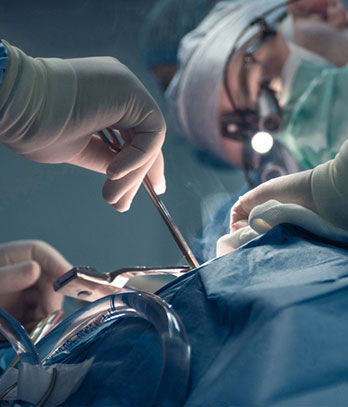
Overall, general surgery plays an essential role within the healthcare system, addressing both emergency and elective surgical conditions that impact patients' quality of life and survival. It contributes significantly to public health by managing conditions that require prompt surgical intervention, and through ongoing research and technological development, it strives to enhance surgical outcomes, reduce recovery times, and minimize complications. The evolving nature of the field ensures that general surgeons remain at the forefront of surgical innovation, providing comprehensive care that spans diagnostic, therapeutic, and rehabilitative aspects of surgical medicine, ultimately improving patient outcomes and advancing the standards of surgical practice worldwide.
Proper care of an incision site after surgery is essential for optimal healing and preventing infection. Begin by keeping the area clean and dry; gently wash around the incision with mild soap and water if instructed by your General Surgery Doctor in Karimnagar, avoiding scrubbing the wound itself. Always follow your doctor’s specific instructions regarding bathing and dressing changes. Change dressings as advised, using sterile techniques to reduce the risk of contamination. Observe the incision for signs of infection such as increased redness, swelling, warmth, pus, or foul odor, and report these to your healthcare provider promptly. Managing pain with prescribed medications can help maintain comfort and facilitate movement, which promotes circulation and healing. Avoid strenuous activities or heavy lifting until your doctor clears you, as these can stress the incision. Eating a balanced diet rich in vitamins and protein supports tissue repair. Keep the incision elevated when possible, to reduce swelling. Regularly monitor for any unusual symptoms and attend follow-up appointments for wound assessment. Proper incision care not only accelerates healing but also minimizes complications, ensuring a smoother recovery process.
Discover exceptional surgical care with Dr. Srinivas Chouhan, a renowned General Surgeon at City Hospital Karimnagar. With extensive experience and a compassionate approach, Dr. Chouhan specializes in a wide range of surgical procedures, ensuring personalized treatment and optimal outcomes for every patient. Trust City Hospital’s expert team for your health needs—schedule your consultation with Dr. Srinivas Chouhan today for comprehensive, quality care in Karimnagar.