

Pulmonology is a specialized branch of medicine focused on the respiratory system, encompassing the lungs and other breathing-related structures. It addresses conditions such as asthma, chronic obstructive pulmonary disease (COPD), pneumonia, lung infections, interstitial lung disease, pulmonary hypertension, and lung cancer. Pulmonologists are trained to diagnose, treat, and manage these complex respiratory disorders, often utilizing advanced diagnostic tools like spirometry, CT scans, and bronchoscopy. You should consider visiting a pulmonologist if you experience persistent or severe symptoms such as chronic cough, shortness of breath, wheezing, chest pain, unexplained weight loss, or recurrent respiratory infections. People with a history of smoking, exposure to environmental toxins, or pre-existing respiratory conditions should also consult a pulmonologist regularly for monitoring and prevention. Early referral is crucial for proper diagnosis and management of lung diseases, especially if symptoms worsen or do not improve with initial treatments. Additionally, individuals with sleep disorders like sleep apnea or those who have been diagnosed with lung nodules or masses should seek specialized care from a pulmonologist. Prompt consultation can prevent disease progression, improve quality of life, and reduce complications. Overall, awareness of respiratory health and timely intervention are key to maintaining optimal lung function and preventing serious health issues related to breathing problems.
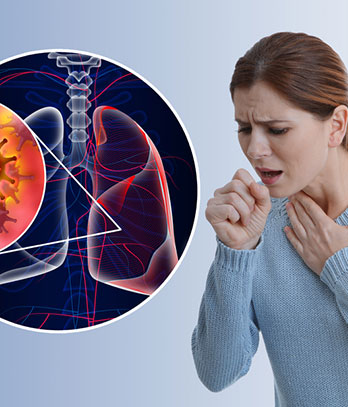
Some key pulmonological disorders are:
- Chronic Obstructive Pulmonary Disease (COPD): A progressive disease characterized by airflow limitation, primarily caused by smoking, leading to symptoms like cough, sputum production, and dyspnea.
- Asthma: A reversible airway inflammation disorder marked by wheezing, shortness of breath, chest tightness, and cough, often triggered by allergens or irritants.
- Pneumonia: Infection of the lung parenchyma, caused by bacteria, viruses, or fungi, presenting with cough, fever, chest pain, and dyspnea.
- Tuberculosis (TB): A bacterial infection caused by Mycobacterium tuberculosis, primarily affecting the lungs, with symptoms such as chronic cough, hemoptysis, fever, and weight loss.
- Pulmonary Fibrosis: A condition involving scarring of lung tissue, leading to progressive breathlessness and reduced lung function.
- Pulmonary Embolism (PE): Obstruction of pulmonary arteries by blood clots, causing sudden chest pain, dyspnea, and hypoxia.
- Bronchiectasis: Permanent dilation of bronchi resulting from recurrent infections, leading to chronic cough with sputum production.
- Interstitial Lung Diseases: A group of disorders causing inflammation and fibrosis of the lung interstitium, including sarcoidosis and hypersensitivity pneumonitis.
- Pleural Diseases: Conditions such as pleural effusion and pneumothorax affecting the pleural space, causing chest pain and breathing difficulty.
- Lung Cancer: Malignant tumors arising from lung tissue, often presenting with cough, hemoptysis, weight loss, and chest pain.