

Neurology is a specialized branch of medicine focusing on the diagnosis and treatment of disorders affecting the nervous system, including the brain, spinal cord, nerves, and muscles. Common neurological conditions encompass a wide range of disorders, with some of the most prevalent being stroke, epilepsy, migraine, multiple sclerosis (MS), Parkinson’s disease, Alzheimer’s disease, and peripheral neuropathy. Stroke occurs when blood flow to the brain is interrupted, leading to potential long-term disability if not treated promptly. Epilepsy is characterized by recurrent seizures caused by abnormal electrical activity in the brain. Migraines are severe headaches often accompanied by nausea, visual disturbances, and sensitivity to light and sound. MS is an autoimmune disease where the immune system attacks the protective sheath of nerve fibers, impairing communication between the brain and body. Parkinson’s disease involves the progressive loss of dopamine-producing neurons, resulting in tremors, rigidity, and bradykinesia. Alzheimer’s disease, the most common cause of dementia, is marked by progressive memory loss, cognitive decline, and behavioral changes. Peripheral neuropathy refers to damage to peripheral nerves, leading to weakness, numbness, and pain, often in the hands and feet. Advances in neuroimaging, electrophysiology, and neuropharmacology continue to improve diagnosis and management of these conditions, enhancing quality of life for patients. Understanding these common conditions is crucial for early intervention and effective treatment, ultimately reducing disability and improving patient outcomes.
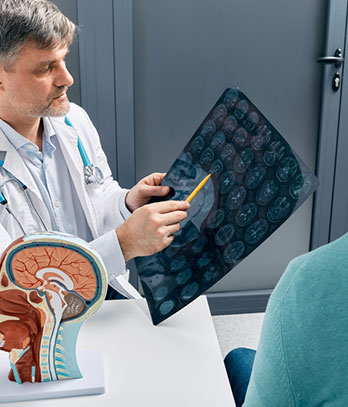
Is it time to consult a neurologist ?
Consult a neurologist if you experience persistent or severe neurological symptoms such as frequent or intense headaches, sudden weakness or numbness, unexplained dizziness or loss of balance, seizures or convulsions, memory loss or cognitive decline, unexplained vision or speech problems, tremors or involuntary movements, or signs of a neurological infection like stiff neck and fever. Additionally, seek specialist help for diagnosed neurological conditions like multiple sclerosis, Parkinson’s disease, or epilepsy to manage treatment and monitor progression. If you notice sudden neurological changes following head injury or trauma, prompt consultation is essential. Symptoms like unexplained changes in personality or behavior, unexplained muscle weakness, or difficulty swallowing should also prompt immediate medical attention. Chronic neurological symptoms such as persistent tingling, burning sensations, or unexplained changes in sensation should be evaluated by a neurologist. Early diagnosis and management of neurological disorders can significantly improve outcomes, so timely consultation is crucial when faced with these symptoms or conditions.